




What Is Peri-Implantitis? Signs, Risks and Treatment Approach
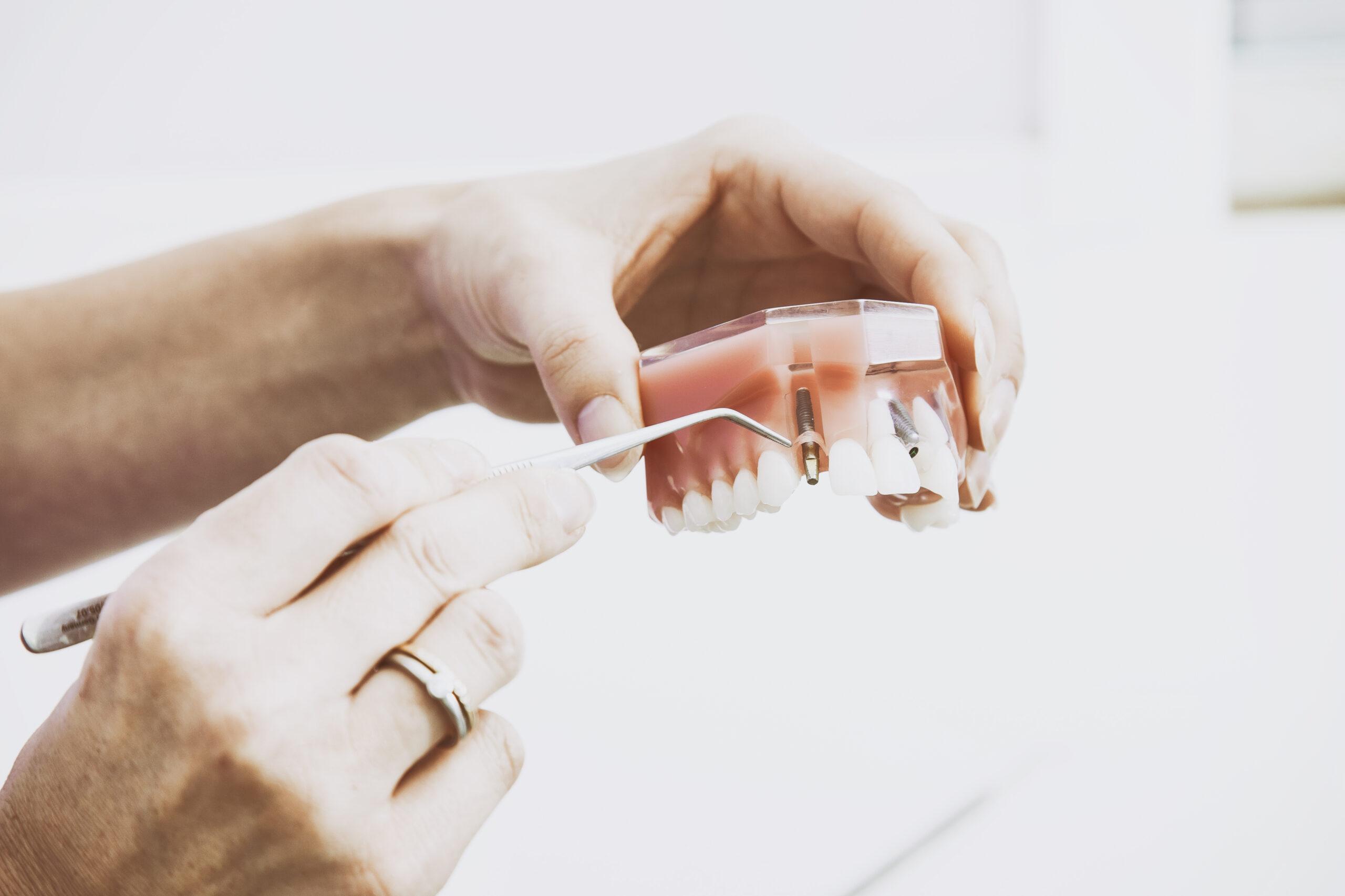
Peri-implantitis is an inflammatory condition affecting the soft tissues and, in advanced cases, the bone supporting a dental implant. Patients often search for it as “implant infection” or “inflammation around an implant.” It matters for anyone who has had or is considering dental implant treatment, because long-term implant success depends on maintenance as much as surgery.
Peri-implant mucositis vs peri-implantitis
Early inflammation limited to the soft tissue around an implant is often described as peri-implant mucositis. At this stage, bone loss may not be present and professional care with improved hygiene can often control the problem. Peri-implantitis is more serious because the supporting bone is affected. Bleeding, swelling, bad taste, discharge or deep pockets around implants should not be ignored.
What are the signs?
Bleeding while brushing, redness, tenderness, bad breath, gum recession, food trapping under a prosthesis, discomfort while chewing and, in severe cases, implant mobility may occur. For a broader symptom overview, see the guide on signs of dental implant infection.
Risk factors
Poor oral hygiene, smoking, irregular maintenance visits, uncontrolled diabetes, bruxism, prostheses that are difficult to clean, residual cement and previous periodontal disease can increase risk. In fixed full-arch treatments, cleaning must be planned carefully; this is why maintenance training is part of full-mouth implant rehabilitation.
Treatment approach
Treatment depends on examination, radiographic findings and the degree of tissue loss. In early cases, professional cleaning, hygiene instruction and correction of prosthetic design may be enough. Advanced cases may require implant surface decontamination, surgical access, regenerative procedures or, in some situations, implant removal. The decision should be individualized after an oral surgery evaluation.
Prevention
Cleaning around implants with interdental brushes, regular professional controls, using a night guard when bruxism is present and seeking care early when bleeding is noticed are important. Peri-implantitis is easier to control when detected early; advanced bone loss is more difficult to reverse.

