


Kayseri Dentist
Jaw Surgery and Implantology Specialist
Dr. Emin ÜN
At our clinic located on Kayseri Hastane Caddesi, I provide services as a Jaw Surgery and Implantology Specialist, including implant treatments, zirconium crowns, and aesthetic dentistry. Using modern techniques and advanced technology equipment, we offer personalized treatment plans to ensure healthy and aesthetic smiles.
For reliable dental health solutions in Kayseri, our professional team is here for you. You can make an appointment or contact us for more information.



A Beautiful Smile Is Now Within Reach!
Your smile is the most powerful and impressive expression of your personality.
With aesthetic dentistry practices, you can achieve the white, healthy, and radiant smile you've always dreamed of. We transform your smile using modern techniques such as teeth whitening, porcelain veneers, implants, and many more.
Remember, a beautiful smile brings positive energy and confidence into your life!
Natural and Permanent Solutions with Dental Implants
The most reliable and aesthetic solution for your missing teeth is now within your reach!
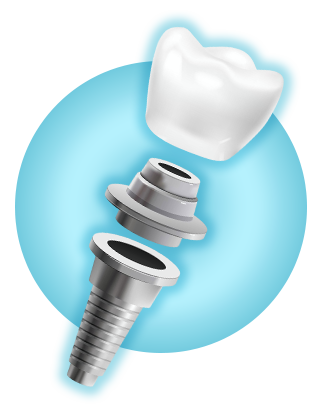
Dental implants, performed with advanced technology, are titanium screws placed into the jawbone that look and function just like your natural teeth.
You can restore your smile with long-lasting, durable, and aesthetic solutions.
After a comprehensive evaluation, we carefully prepare the most suitable implant treatment plan tailored specifically for you.
For a healthy and aesthetic smile, contact us today!
Frequently Asked Questions
Smile design is a process of creating a natural and harmonious smile tailored to an individual’s facial features, dental structure, and overall aesthetic needs. This design addresses both dental and facial aesthetics, focusing on the person’s unique characteristics. The goal is to enhance the attractiveness of the smile while maintaining a natural and balanced appearance.
Main factors considered in smile design include:
- Dental Aesthetics: The size, shape, color, and alignment of the teeth. These aspects are adjusted to ensure the teeth appear healthy and aesthetically pleasing.
- Gums: The shape and health of the gums play a significant role. Symmetrical and healthy gums enhance the overall smile. Gum contouring procedures can be performed if needed.
- Facial Features: Smile design takes into account the person’s facial shape, lip structure, and age. Elements such as the ratio of the lower to upper lip, tooth visibility, and lip lines are considered.
- Dental Expertise and Technology: Smile design can be planned using digital tools and 3D simulations. Dentists utilize CAD/CAM (computer-aided design and manufacturing) technology to customize the shape, position, and color of the teeth.
- Function and Oral Health: An aesthetic smile design not only improves appearance but also considers functionality, such as chewing efficiency. Proper tooth alignment contributes to better oral health.
Smile design is achieved through various treatment methods, including:
- Porcelain Veneers: Thin porcelain shells are placed on the front surface of the teeth to correct their shape, size, and color.
- Teeth Whitening: A treatment that lightens the color of the teeth.
- Dental Implants: Artificial tooth roots placed to replace missing teeth.
- Braces (Orthodontics): Used to straighten and align teeth.
- Gum Aesthetics: Procedures to reshape or improve the symmetry of the gums.
Smile design enhances self-confidence and helps individuals achieve a more natural and aesthetically pleasing smile. Patients can collaborate with their dentist to select the most suitable design based on personal preferences and aesthetic expectations.
Porcelain veneers are thin porcelain coverings placed on the front surface of the teeth. They are often preferred because they provide a highly natural aesthetic appearance. However, several factors can affect the durability of porcelain veneers:
1. Durability Period:
With proper care, porcelain veneers typically last between 10-15 years. This period can vary depending on an individual's oral hygiene and dental habits. If teeth are brushed properly, regular dental check-ups are attended, and hard foods are avoided, porcelain veneers can be used smoothly for many years.
2. Oral Care and Hygiene:
Porcelain veneers last longer with good oral care and hygiene. Teeth should be brushed, dental floss used, and routine dental visits maintained. Additionally, habits such as biting excessively hard foods or teeth grinding can shorten the lifespan of veneers.
3. Teeth Grinding (Bruxism):
If a person grinds their teeth (bruxism), porcelain veneers may wear down or crack over time. In such cases, a dentist may recommend a protective night guard.
4. Avoiding Hard Foods:
Excessively hard foods (such as hard candies, nuts with shells) or using teeth as tools to open objects can cause porcelain veneers to crack or break. Therefore, avoiding these habits is advised.
5. Aesthetics and Functionality:
Porcelain veneers are durable and resemble natural teeth. However, they are not as hard as natural tooth enamel and can be damaged by strong impacts or trauma. Since there is a risk of cracking or breaking, they should not be subjected to excessive force.
Conclusion:
Porcelain veneers are quite durable under proper care and usage conditions. They can have a lifespan of 10-15 years, but personal habits and oral health conditions can influence this period. With regular dental care and careful use, porcelain veneers can provide an aesthetic smile for a long time.
Hollywood Smile aims to create a personalized, natural, and aesthetic smile. A perfect smile can be achieved using porcelain veneers, teeth whitening, orthodontic treatment, gum reshaping, and other cosmetic dental procedures. The treatment process and methods used may vary depending on the individual's needs and the dentist, but usually, various combinations are applied to achieve an aesthetic smile.
Dental implant treatment usually consists of several stages, and the duration of the treatment varies depending on individual conditions and the methods used. Generally, the complete dental implant treatment can take 3 to 6 months. The main factors affecting this duration are:
1. Implant Placement:
In the first stage, the dentist places the titanium implant (tooth root) into the jawbone. This procedure usually takes 30 minutes to 1 hour. If the jawbone is insufficient, a bone graft may be necessary, which can extend the treatment time.
2. Osseointegration (Fusion of the Implant with the Bone):
The process of the implant integrating with the jawbone takes about 3 to 6 months. During this period, the implant fuses with the bone (osseointegration), making it strong and stable. The duration can vary depending on individual healing rates and bone quality.
3. Abutment Placement:
After the implant has fused with the bone, an abutment (connector piece) is placed on top. This stage is usually done 2-3 weeks after implant placement. The abutment holds the prosthetic tooth to the implant.
4. Prosthetic Tooth Fabrication:
Once the abutment is placed, the dentist takes measurements and designs the prosthetic tooth (crown or bridge). This process may take about 1-2 weeks. Afterward, the prosthetic tooth is attached to the abutment.
Total Duration:
Dental implant treatment generally takes 3 to 6 months. However, in cases where bone grafting or additional treatments are needed, the time may be longer. Also, if multiple implants or special prosthetics are required, the treatment duration can increase.
Accelerated Implant Treatment:
For patients with healthy bone structure, "immediate loading" techniques may be applied, where the implant placement and prosthetic tooth are done simultaneously. This can reduce the treatment time to a few weeks. However, this method is not suitable for every case.
In conclusion, while the duration of dental implant treatment varies individually, it is typically completed within 3 to 6 months. Patience and following your dentist’s recommendations are important for treatment success.
For more information, please visit our Dental Implant Treatment page.
Cosmetic dentistry encompasses comprehensive procedures aimed at improving the aesthetics of teeth and smile. The main applications in this field include teeth whitening, porcelain veneers, dental crowns, dental implants, orthodontic treatment, gum aesthetics, and personalized smile design.
- Teeth Whitening: Lightens the natural color of teeth to achieve a brighter and whiter smile.
- Porcelain Veneers: Thin porcelain coatings applied to the front surface of teeth to provide an aesthetic and natural appearance.
- Dental Crowns: Aesthetic coverings placed over damaged or discolored teeth.
- Dental Implants: Artificial tooth roots anchored to the jawbone to replace missing teeth, providing functional and aesthetic solutions with prosthetic teeth placed on top.
- Orthodontic Treatment: Use of braces or clear aligners to straighten teeth, resulting in proper tooth alignment and an aesthetic smile.
- Gum Aesthetics: Shaping and correcting the gums to create a healthier and more symmetrical smile.
- Smile Design: Personalized aesthetic smile planning tailored to the individual's facial features.
Cosmetic dentistry procedures not only improve appearance but also enhance the functionality of teeth, boosting a person’s confidence and quality of life.
Tooth extraction performed using modern anesthesia techniques generally offers patients a painless and comfortable experience. Thanks to advancements in dentistry today, with local anesthesia and sedation methods if necessary, patients do not feel any pain during the procedure.
The dentist selects the most appropriate anesthesia method based on the patient's health condition and needs before the procedure. With local anesthesia, the tooth and surrounding tissues are numbed to minimize pain and discomfort during the extraction. Additionally, in some cases, calming sedation techniques are used to reduce the patient's stress level and make the procedure more comfortable.
Modern anesthesia applications not only prevent pain but also positively affect the patient's post-procedure healing process. Complaints such as pain and swelling after tooth extraction are minimized through the effective use of anesthesia techniques.
In conclusion, thanks to up-to-date anesthesia methods and the expertise of experienced dentists, tooth extraction is mostly completed painlessly and safely. Patients experience a comfortable treatment process while enjoying the relief of restored oral health.
Some important points to pay attention to in dental care are fundamental steps to protect oral and dental health. These simple yet effective habits help prevent tooth decay, gum diseases, and other oral problems. Here are the basic care practices recommended for healthy teeth and a beautiful smile:
- Regular Brushing: Brush your teeth at least twice a day, preferably in the morning and evening, using fluoride toothpaste for about 2 minutes. Proper brushing technique prevents plaque buildup and protects tooth enamel.
- Flossing: Use dental floss at least once a day to clean between teeth where the toothbrush can't reach. This is crucial for preventing interdental cavities and gum problems.
- Mouthwash: Antibacterial mouthwashes help reduce harmful bacteria in the mouth, support oral hygiene, and prevent bad breath.
- Dentist Check-ups: It is very important to have regular dental check-ups at least twice a year for a healthy mouth. Early diagnosed problems are easier and more effective to treat.
- Healthy Nutrition: Avoid sugary and acidic foods as much as possible. Instead, consume foods rich in calcium and vitamin D that support dental health.
- Drink Plenty of Water: Drinking enough water prevents dry mouth, increases saliva production, and contributes to the natural cleaning of teeth.
- Limit Smoking and Alcohol: Smoking and alcohol consumption increase the risk of gum disease and oral cancer. Therefore, reducing the use of these substances is important to protect oral health.
- Teeth Grinding: Those who suffer from stress-related teeth grinding should consult their dentist to receive appropriate treatment and protective measures.
By following these simple and regular practices, you can protect your dental health, prevent oral problems, and maintain a healthy, aesthetic smile for many years.
Teeth whitening is an aesthetic procedure aimed at removing stains and yellowing from the teeth. The color of teeth can change over time due to genetic factors, aging, dietary habits (such as coffee, tea, smoking), and certain medications. Whitening helps to reduce these discolorations on the teeth.
Teeth whitening methods are generally classified into two types:
Home Whitening: This procedure involves whitening gels, trays, or whitening kits prescribed by the dentist for home use. These products contain lower concentrations of active ingredients and results may take several weeks to appear.
In-office Whitening: Whitening treatments performed by the dentist in the clinic. Typically, stronger whitening agents and sometimes lasers are used. This method provides faster results and noticeable whitening can often be achieved in a single session.
The active ingredients used during whitening usually include carbamide peroxide or hydrogen peroxide. These substances target stains and discolorations without damaging your teeth.
Whitening may not be suitable for everyone. Individuals with excessive tooth sensitivity, cavities, or gum problems should consult their dentist before undergoing whitening. Additionally, whitening may not be effective on teeth with fillings, crowns, or other aesthetic restorations.
Tooth sensitivity may occur after whitening but it is generally temporary. After the whitening process, it is important to maintain proper dental care and avoid foods and drinks that can cause discoloration to keep the whiteness lasting.
In conclusion, teeth whitening is a safe and effective aesthetic treatment option when done properly, but the most suitable method and treatment duration should be determined by your dentist for each individual.
Bad breath (halitosis) is a common problem that negatively affects social life. From a dental perspective, the source of bad breath usually stems from bacteria accumulating in the mouth, tooth decay, gum diseases, or inadequate oral hygiene. Treatment of bad breath requires a personalized approach depending on its cause.
Dental Treatments for Bad Breath:
- Teeth Cleaning and Tartar Removal: One of the most common causes of bad breath is the accumulation of plaque and tartar between teeth. The dentist performs professional cleaning to remove bacteria buildup and prevent unpleasant odors.
- Gum Disease Treatment: Gum infections (gingivitis or periodontitis) are another common cause of bad breath. Treating gum disease reduces inflammation and restores healthy gums.
- Treatment of Tooth Decay: Decayed teeth can lead to bacterial growth causing bad odor. Treating cavities is an effective way to prevent bad breath.
- Tongue Cleaning: Bacteria accumulating on the tongue is another source of bad breath. Your dentist can reduce odors by cleaning the tongue.
- Treatment of Dry Mouth (Xerostomia): Dry mouth may cause bad breath because saliva helps clean bacteria in the mouth. Causes of dry mouth are identified and treated.
- Regular Oral Care Guidance: Your dentist will guide you on improving oral hygiene, recommending brushing teeth at least twice a day, using dental floss, and mouthwash.
- Specialized Treatment Plans for Bad Breath: If bad breath is caused by systemic diseases, your dentist may refer you to a specialist. Conditions such as diabetes, stomach problems, or sinus infections can lead to bad breath.
Home Care Tips:
- Brushing: Brush your teeth at least twice a day.
- Flossing: Use dental floss once a day to clean food particles and bacteria between teeth.
- Mouthwash: Use antibacterial mouthwash to kill remaining bacteria in the mouth.
- Drink Plenty of Water: To prevent dry mouth and maintain oral health, make sure to drink enough water.
Treatment of bad breath is successful when the underlying causes are properly identified. By having regular check-ups with your dentist, you can detect and treat issues that may cause bad breath. Paying attention to healthy teeth and oral hygiene will help you achieve fresh breath.
