



What Is a Zygomatic Implant? Advanced Option for Severe Upper Jaw Bone Loss
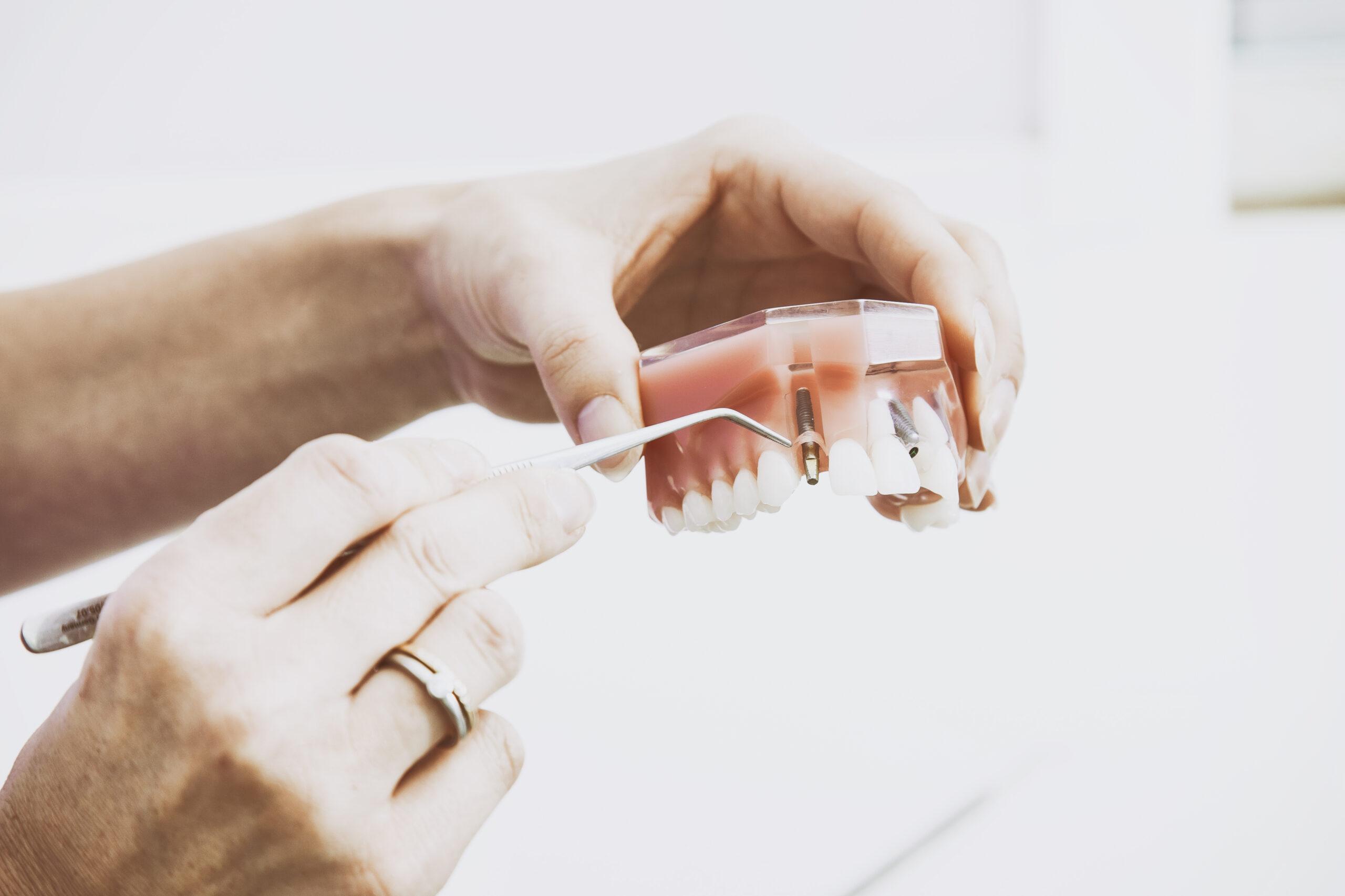
A zygomatic implant is an advanced option that may be considered when the upper jaw has severe bone loss and standard dental implant treatment cannot be planned predictably with conventional implant positions. The decision is not based only on the number of missing teeth; sinus anatomy, bone volume, bite relationship, previous dentures and general health must be evaluated together.
What is a zygomatic implant?
Zygomatic implants are longer implants designed to gain support from the cheekbone region when the upper jaw bone is severely deficient. They are not a routine choice for every implant patient. They are mainly discussed in cases of advanced upper jaw atrophy, previous implant failure, extensive grafting needs or full-arch cases where a removable denture is not the preferred solution.
Who may be a candidate?
Patients who have been edentulous for a long time may have a very thin upper jaw. In such cases, dental bone grafting, sinus lift procedures, tilted implants, All-on-Four implant treatment or zygomatic implants may be compared. The goal is not to choose the fastest option, but to design the most appropriate plan for the patient’s anatomy, function and prosthetic expectations.
Why oral surgery planning matters
Zygomatic implant planning involves the upper jaw, sinus region and cheekbone anatomy. For that reason, three-dimensional imaging, surgical experience, prosthetic planning and infection control must be considered as one treatment plan. During an oral and maxillofacial surgery assessment, the final fixed teeth are planned together with the surgical implant positions.
For international patients
For international patients, the first review may start with existing panoramic x-rays, CBCT images, denture photographs and treatment expectations. A final decision still requires clinical examination and 3D imaging. Patients travelling to Kayseri should plan flight dates, control visits and temporary/final prosthesis stages as part of a clear dental tourism schedule.
Alternatives and limitations
Zygomatic implants are not automatically chosen instead of grafting or sinus lifting. In some cases, conventional implants with bone augmentation are more suitable. In others, full-mouth implant rehabilitation with tilted implants and fixed prostheses may be sufficient. Smoking, uncontrolled systemic disease, poor oral hygiene and active infection can affect treatment success.
This article is for patient education. Suitability for zygomatic implants can only be determined after examination and radiographic evaluation.

