


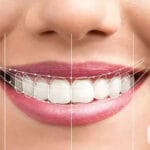
What Is Smile Design?
what is smile design is one of the questions patients often research within aesthetic dentistry. This guide summarizes the most common questions patients ask before deciding on treatment.
The topic should be evaluated not only as a procedure name, but also with expectations, oral anatomy, and long-term maintenance needs. Smile aesthetics evaluates tooth color, shape, gum display, and facial proportions together.

When Does This Topic Come Up?
In aesthetic dentistry, smile line, tooth dimensions and proportions, gum display, staining and old restorations and bite and function are assessed together. A decision should not be based on one symptom alone; clinical findings and imaging should be interpreted as one complete picture. For detailed clinical information, you can also review the aesthetic dentistry page.
When this issue is postponed, the problem may affect more than pain; chewing comfort, neighboring teeth, gum health, or surgical planning can also be involved. Early evaluation within aesthetic dentistry often makes the treatment path clearer and more predictable.
Why Planning Should Be Personal
This article is for general information only; diagnosis and treatment planning require a clinical examination and radiographic assessment.
The process usually begins with photo and facial analysis, expectation review and comparison of treatment options. The first evaluation helps clarify the anatomy of the treatment area and the expected level of complexity.
preview or mock-up and treatment and follow-up then guide follow-up. Some cases progress in a single visit, while others need healing time, additional preparation, or interim checks.
Before You Decide
Treatment choice should not only solve the immediate complaint; long-term function, esthetic expectations, and maintainable oral care also matter.
Am I clinically and radiographically suitable for aesthetic dentistry? is usually answered after examination and imaging. Will I need additional procedures, healing time, or temporary restorations? can affect both timing and budget planning. It is also useful to clarify How will aftercare and follow-up appointments be organized? and How do the advantages and limitations compare with alternative treatments? before starting.
Daily Life During Recovery
Post-treatment care is as important as the procedure itself and affects comfort and long-term success.
After treatment, limit staining foods and drinks, improve gum care, use a protective guard if needed and schedule professional cleaning can support a more comfortable recovery. In the first days, it is especially important not to overload the area, to follow instructions without changing them, and to note unexpected symptoms.
When You Should Not Wait
Even mild symptoms may require professional evaluation if pain, swelling, bad taste, or loss of function continues.
Postponing warning signs can lead to a more complex treatment need. Professional support is recommended if the type of pain changes, swelling increases, mouth opening becomes limited, or bad taste/odor appears.
Questions Patients Ask
Is an examination needed for What Is Smile Design?? Yes. A clear decision requires a clinical examination and radiographic assessment when necessary.
Is treatment duration the same for everyone? No. Duration depends on procedure scope, tissue condition, healing speed, and additional treatment needs.
What should I do if pain or swelling occurs? Mild symptoms can be expected; increasing pain, bad taste, fever, or marked swelling should be evaluated.
Can cost be finalized without an examination? Usually not. Materials, procedure difficulty, and additional steps are determined after examination.
For What Is Smile Design?, the safest approach is to complete online research with a personal examination. If symptoms continue or you are unsure about treatment, a clinical evaluation can reduce uncertainty and help plan care at the right time.

